
Why Russia?
For many years, Western media has painted Russia in a predominantly negative light, influencing global perceptions—including among South African minorities. Yet this one-sided narrative often overlooks the everyday realities: a vast country that values sovereignty, traditional morals, family, faith, and rural self-reliance. For Afrikaner and Boer families seeking stability, cultural continuity, and meaningful contribution through skilled agriculture, Russia offers a pragmatic, positive path forward—one built on mutual respect rather than isolation.
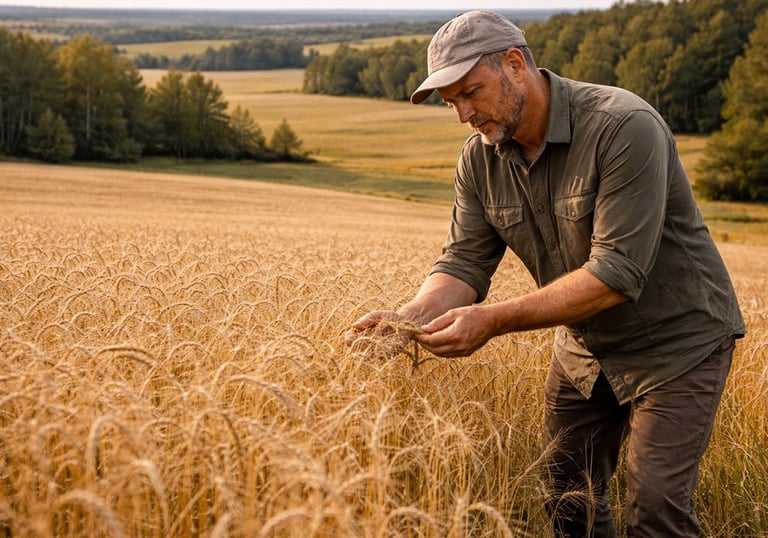
Russia is frequently portrayed through the lens of geopolitical tensions, restrictions, and conflict. This has created widespread misconceptions that overshadow its strengths as a destination for values-aligned families.
In reality, Russia actively promotes traditional principles—faith, large families, patriotism, and moral responsibility—while resisting many of the rapid social changes seen in parts of the West. For those concerned about cultural erosion, farm insecurity, or uncertainty in South Africa, Russia represents a stable alternative where conservative heritage is not under constant pressure but quietly supported at societal and state levels.
Moving Beyond the Negative Lens


Russia welcomes those ready to contribute meaningfully. Your agricultural knowledge helps its rural development, while gaining access to land, security, and a values-supportive setting.
Moving Beyond the Negative Lens
Russia's emphasis on traditional values aligns closely with many Afrikaner and Boer priorities
Shared Moral and Conservative Values — Society prioritizes discipline, responsibility, respect for elders, and family as the core unit—echoing long-held Boer principles.
Christian Faith and Religious Practice — The Russian Orthodox Church is central to rural life, but Protestant and other Christian communities are active and respected. Churches serve as community anchors, with regular services, festivals, and faith-based gatherings.
Religious Freedom and Church Communities — Traditional believers enjoy broad freedom to practice, build communities, and raise children in faith without aggressive secular interference.
Family-Centered Society and Traditions — Large families are culturally celebrated; policies and social norms support child-rearing, multi-generational households, and family continuity.
Cultural Compatibility for Afrikaner/Boer Families — Many find the rural emphasis on hard work, self-reliance, community support, and heritage preservation feels familiar and welcoming.
Preserving Heritage and Identity — Families can maintain their language, traditions, stories, and Christian worldview while respectfully integrating—Russia values contributors who bring their cultural strengths.
This alignment isn't superficial; it's embedded in daily rural life and national outlook, providing an environment where faith-guided, family-focused living can flourish across generations.
Newsletter
Subscribe for updates on cooperative development, regional pathways, and settlement information.
No spam. No promotions. Information only.
* By subscribing you agree to this websites Terms and Conditions
Stability, Rural Life, and Opportunity
Safety and Stability — Rural regions often offer low crime, strong community bonds, and a predictable pace—far removed from urban or geopolitical hotspots.
Agricultural Opportunity and Land Availability — Vast arable land and programs to revive fallow areas create real prospects for skilled farmers to apply their expertise.
Rural Life and Community — Village life centers on neighborly support, nature, seasonal rhythms, and tight-knit networks—ideal for raising families outdoors with a sense of belonging.
Russia–South Africa Relations and Historical Context — Growing ties (trade, diplomacy, shared interest in multipolarity) provide a foundation of goodwill; historical exchanges show precedent for positive engagement.
Russiakaners
A resource for farming families and cooperative agricultural settlement in Russia.
JOIN A NEW CONVERSATION
@Russiakaners Telegram Group
Quick Links
Information
© 2026 Общество с ограниченной ответственностью "АГЕНТСТВО ЮНИСТАРЗ". All rights reserved. E&OE Excepted.