
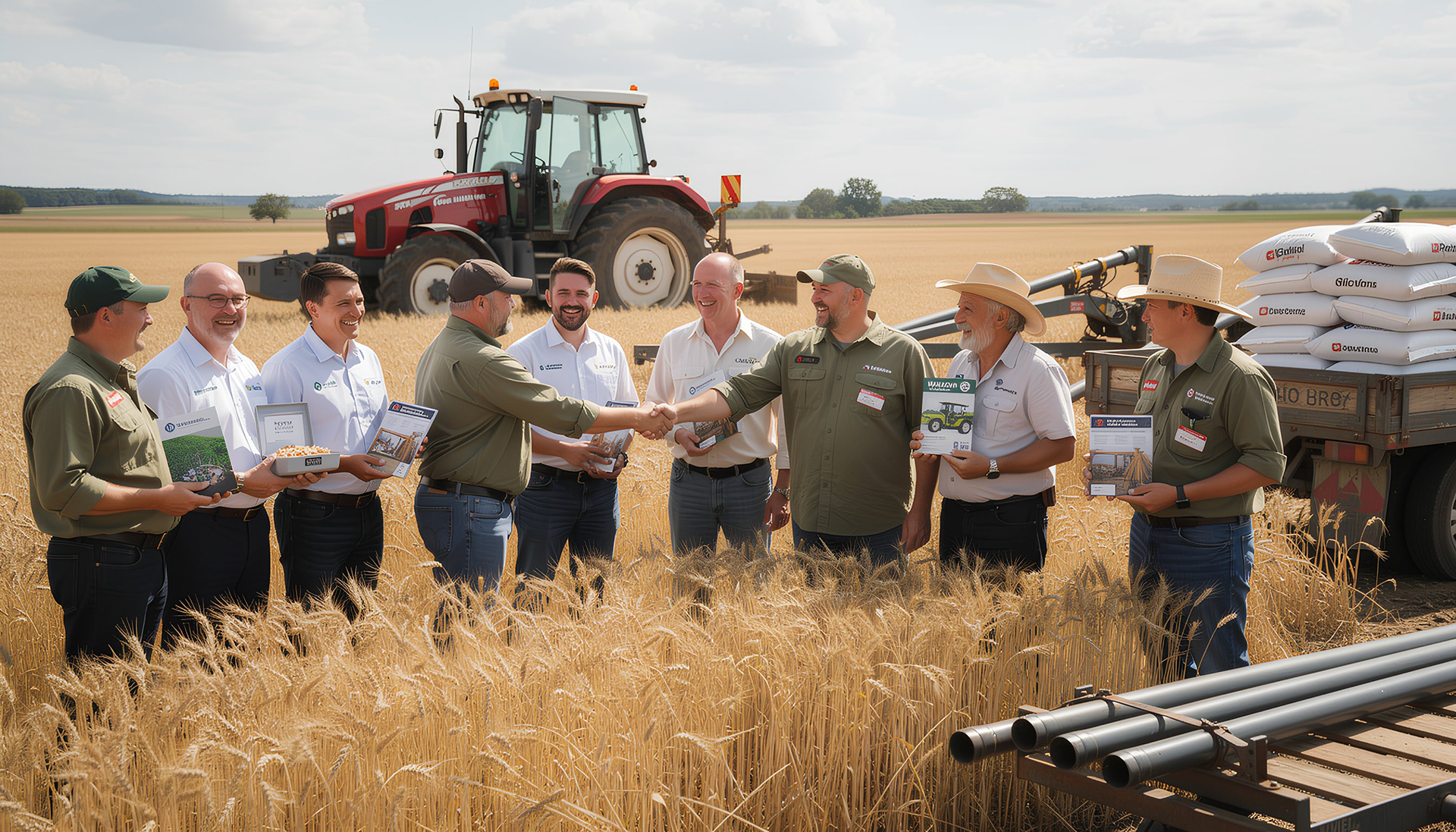
COORDINATION THROUGH ALIGNED PARTNERS
Russiakaners operates as a central coordination and sequencing layer, working in alignment with approved professional and regional partners to ensure agricultural settlement pathways are lawful, structured, and sustainable.
This model exists to manage complexity responsibly, protect families from unnecessary risk, and maintain clarity of roles across all parties involved.
A Sequenced, Multi-Party Settlement Framework
WHY COORDINATION IS ESSENTIAL
Agricultural settlement is not a single process. It involves multiple independent systems that intersect over time, including immigration and residency requirements, land access and ownership mechanisms, cooperative governance, regional administration, and legal and compliance obligations. These systems cannot be approached responsibly in isolation without increasing risk.
When coordination is absent, families are often exposed to fragmented advice, premature commitments, duplicated effort, and avoidable legal or financial consequences. Russiakaners exists to ensure that each system is engaged in the correct order, at the appropriate stage, and with full visibility of obligations, dependencies, and limitations.
WHAT COORDINATION MEANS IN PRACTICE
Russiakaners does not replace professional service providers, regional authorities, or cooperative governance structures. Instead, it ensures that families engage the right expertise at the right time for the right purpose.
In practice, coordination means that immigration and residency engagement, land-access and ownership progression, agricultural and cooperative compliance, regional administrative interaction, and documentation requirements are sequenced deliberately rather than pursued in parallel or prematurely. This sequencing prevents duplication, misalignment, and actions that could later restrict or invalidate settlement pathways.
ALIGNED PROFESSIONAL AND REGIONAL PARTNERS
Settlement pathways are delivered through approved and aligned partners who operate within their respective legal and professional mandates. These may include immigration and legal service providers, compliance and administrative specialists, regional program representatives, and cooperative advisors.
While these partners deliver specialised services, Russiakaners does not execute their work or assume their authority. Its role is to coordinate engagement, ensure timing integrity, and maintain alignment between partners so that each action supports the overall settlement pathway rather than creating conflict or delay.
CLEAR DIVISION OF RESPONSIBILITY
The Russiakaners model is built on a clear separation of responsibility. Families retain personal decision-making authority over their settlement choices. Cooperatives govern agricultural participation and collective activity. Professional partners deliver specialised services within their mandates. Regional authorities retain statutory decision-making power. Russiakaners maintains coordination, sequencing, oversight, and alignment across all parties.
This separation exists to preserve accountability, prevent role confusion, and protect all participants from unintended liability or misrepresentation.
RISK REDUCTION FOR FAMILIES
Without structured coordination, families may face conflicting guidance, premature financial or legal commitments, unnecessary costs, administrative dead-ends, and unrealistic expectations. These risks increase significantly when complex systems are approached independently or out of sequence.
Russiakaners exists to reduce this exposure by ensuring that professional services are engaged only when appropriate and that each step builds coherently on the last. The goal is not speed, but stability, clarity, and long-term viability.
A FOUNDATION FOR LONG-TERM SETTLEMENT
Coordination through aligned partners is not an optional feature of the Russiakaners framework. It is foundational to supporting lawful progression, cooperative sustainability, regional integration, and multi-generational settlement.
By managing complexity deliberately and maintaining clarity across all parties, this model supports families in making informed, durable decisions rather than reactive or pressured ones.
Russiakaners
A resource for farming families and cooperative agricultural settlement in Russia.
JOIN A NEW CONVERSATION
@Russiakaners Telegram Group
Quick Links
Information
© 2026 Общество с ограниченной ответственностью "АГЕНТСТВО ЮНИСТАРЗ". All rights reserved. E&OE Excepted.