

VLADIMIR OBLAST
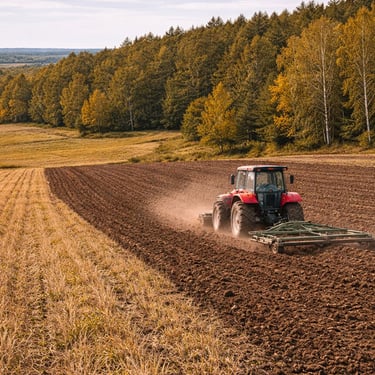
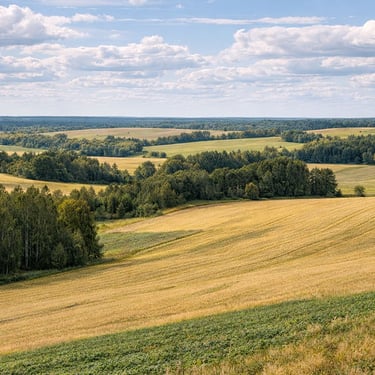
Vladimir Oblast lies east of Moscow within central Russia and forms part of the historic Golden Ring corridor. The region combines established rural municipalities, forest-steppe agriculture, and strong logistical proximity to Moscow.
For farming families evaluating lawful regional integration, Vladimir represents structured agricultural stability within close reach of the capital’s economic sphere.
A Stable Agricultural Frontier in the Golden Ring Corridor
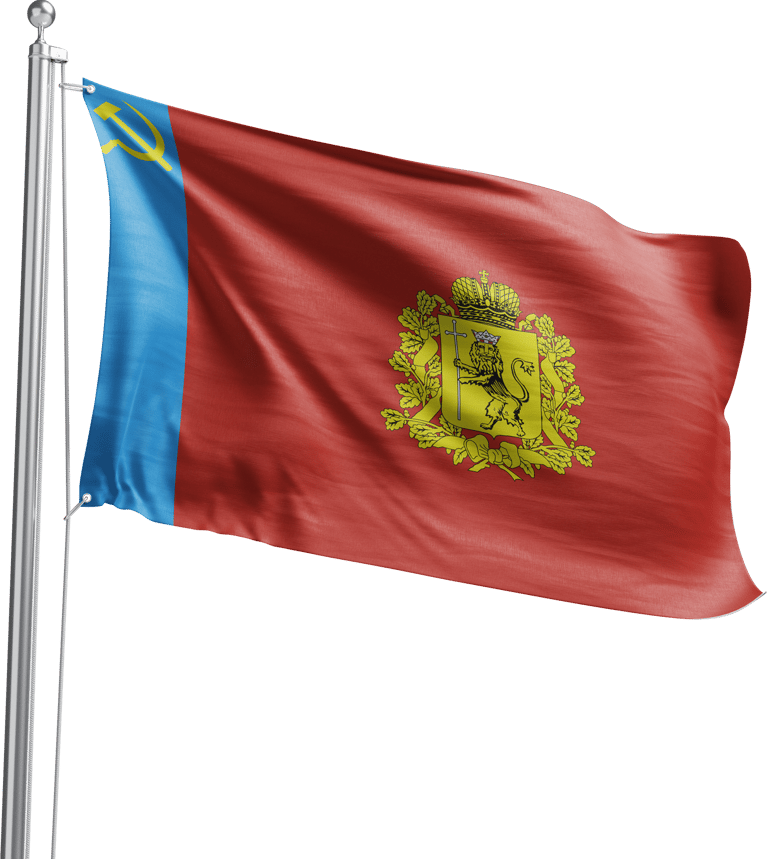
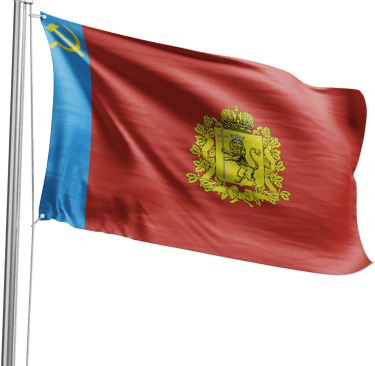
WHY VLADIMIR
1. Immediate Proximity to Moscow Markets
Approximately 180–220 km from Moscow depending on district, allowing strong logistics positioning.
2. Established Rural Infrastructure
Long-settled municipalities with functioning agricultural systems, schools, healthcare, and processing access.
3. Balanced Agricultural Profile
Grain, fodder, dairy, and vegetable production supported by moderate rainfall and forest-steppe soils.
4. Stable Central Russian Environment
Inland positioning with no border exposure and integration into national transport corridors.
VLADIMIR MAP
GEOGRAPHIC POSITIONING
Vladimir Oblast is strategically positioned within Russia’s core transport network.
Key geographic characteristics:
Direct highway and rail access to Moscow
Connection to central Russian logistics corridors
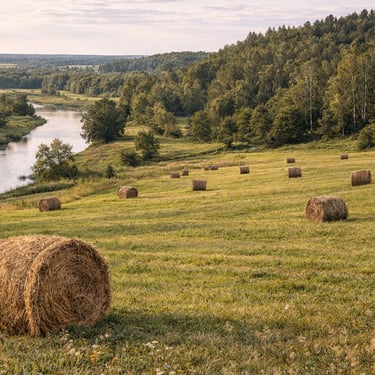
Located along the Klyazma River basin
Inland, non-frontier territory
Unlike expansion-style steppe regions, Vladimir operates within a mature agricultural landscape where land use is already structured and municipally integrated.
This is not remote frontier agriculture.
It is central, connected, and system-based.
SETTLEMENT SUITABILITY
Vladimir Oblast is suited to:
Mixed crop and livestock operators
Dairy-focused farming families
Small-to-medium commercial agricultural models
Households prioritising proximity to Moscow
Families seeking established municipal environments
It is less suited to:
Large-scale frontier grain expansion
Extremely low-density isolated settlement
High-risk speculative agricultural entry
Settlement occurs within functioning rural districts rather than undeveloped corridors.
COMMUNITY AND CULTURAL ENVIRONMENT
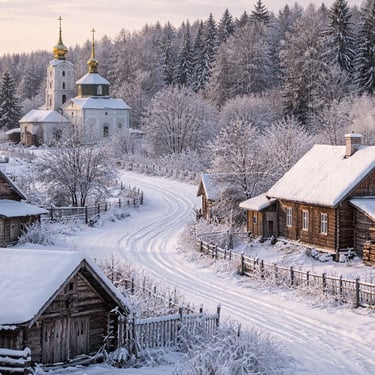
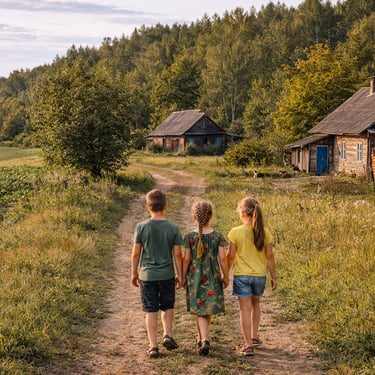
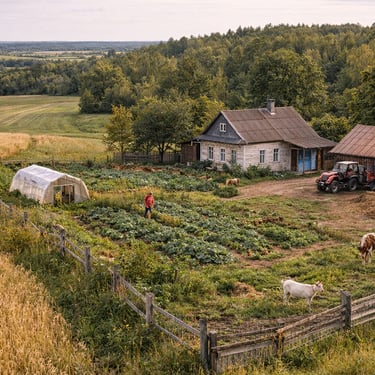
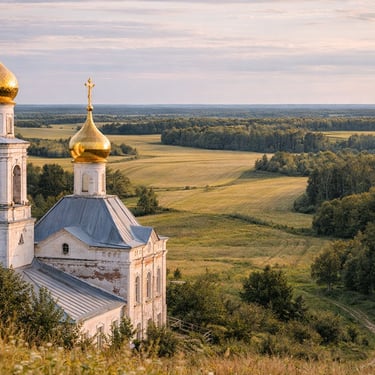
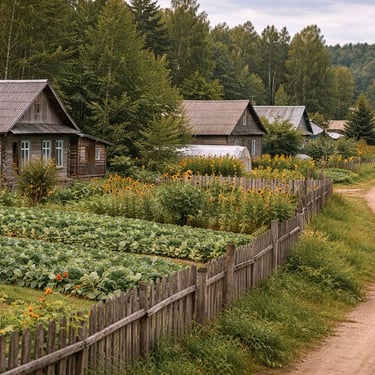
Vladimir Oblast contains historic towns, traditional villages, and structured rural municipalities.
Characteristics include:
Strong Orthodox Christian heritage
Long-established village communities
Proximity to larger towns such as Vladimir city
Access to regional healthcare and education systems
The social structure is integrated and cohesive.
Russian language fluency remains essential for meaningful integration.
District-level cultural dynamics vary and require local evaluation.
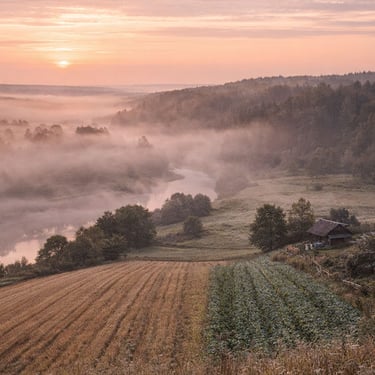
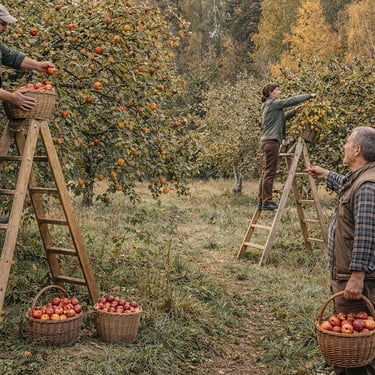
RUSSIAKANERS ALIGNMENT IN VLADIMIR
Within the Russiakaners framework, Vladimir Oblast is presented as an informational regional profile only.
Russiakaners:
Publishes structured regional overviews
Identifies agricultural characteristics
Highlights legal and administrative realities
Maintains neutrality regarding outcomes
The initiative does not allocate land, guarantee placement, or negotiate approvals.
All engagement with authorities remains the responsibility of the individual household within Russian law.
CLIMATE PROFILE
Climate Type
Humid continental.
Temperature
January average: −9°C to −12°C
July average: +17°C to +20°C
Frost Free Period
Approximately 115–135 days
Precipitation
500–600 mm annually
Agricultural Implications
Suitable for winter grains
Supportive of dairy and fodder production
Less drought volatility than steppe regions
This is not a mild climate. It is predictable, structured, and suited to disciplined farming systems.
SOIL COMPOSITION
Dominant Soil Types
• Gray forest soils
• Sod-podzolic soils
• Localised fertile zones in southern districts
Soil Characteristics
Moderate humus
Often requires liming
Responsive to structured fertilisation
Operational Notes
Soil acidity management is often required, particularly in podzolic zones
Liming may be necessary to stabilise pH for cereal and fodder crops
Fertilisation strategies are typically more input-dependent than in deep chernozem steppe regions
Crop rotation remains important, particularly in mixed grain–fodder systems
Drainage and moisture retention vary by district and require site-level evaluation
More management-intensive than deep black steppe soils.
CROP PRODUCTION
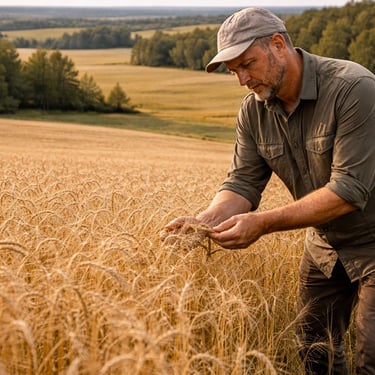
Grain Crops
Winter wheat
Spring wheat
Barley
Rye
Industrial Crops
Rapeseed
Flax
Fodder Crops
Clover
Alfalfa
Silage maize
Vegetable production exists at smaller commercial scale compared to grain regions.
LIVESTOCK INTEGRATION
Common Livestock
Dairy cattle
Beef cattle
Poultry
The region has a developed dairy orientation due to proximity to Moscow markets.
YIELD OVERVIEW
Approximate averages:
Wheat: 2.3–3.3 tonnes per hectare
Barley: 2.0–3.0 tonnes per hectare
Rapeseed: 1.7–2.4 tonnes per hectare
District variation is significant.
Precise cooperative data requires regional sourcing.
STRATEGIC AGRICULTURAL POSITIONING
VLADIMIR IS SUITED FOR
Dairy-oriented farming systems
Mixed crop-livestock integration
Farmers prioritising logistics proximity to Moscow
Structured rural settlement within mature municipalities
Medium-scale commercial agriculture
VLADIMIR IS NOT SUITED FOR
Frontier-style steppe grain expansion
Extremely low-density agricultural isolation
Passive land holding without operational intent
Hobby farming without commercial viability
LONG TERM REGIONAL PROGRESSION
Growth in Vladimir Oblast is integration-based rather than land-expansion based.
Progression typically follows:
Production consistency
Compliance with municipal regulation
Cooperative participation
Infrastructure investment
Expansion is gradual and system-driven.
REGIONAL DEVELOPMENT FRAMEWORKS
Vladimir participates in federal agricultural development programmes focused on:
Dairy modernisation
Production stability
Rural employment
Infrastructure support
Precise incentive structures require direct regional confirmation.
LAND ACCESS STRUCTURES
Land access may include:
Long-term lease agreements
Acquisition of operating farms
Cooperative-linked participation
Municipal allocations
Large undeveloped contiguous parcels are less common than in steppe regions.
Foreign participation follows federal agricultural land legislation.
PERFORMANCE GROWTH
Performance-based growth may occur through:
Scaling production
Strengthening supply chain integration
Increasing land under lease
Cooperative development
Eligibility is regulated and administratively reviewed.
Russiakaners
A resource for farming families and cooperative agricultural settlement in Russia.
JOIN A NEW CONVERSATION
@Russiakaners Telegram Group
Quick Links
Information
© 2026 Общество с ограниченной ответственностью "АГЕНТСТВО ЮНИСТАРЗ". All rights reserved. E&OE Excepted.