
HOW THE COOPERATIVE WORKS
Russiakaners operates through a regional agricultural cooperative structure. The purpose of this structure is to create long-term, lawful, and organised settlement for experienced farming families within participating Russian regions.
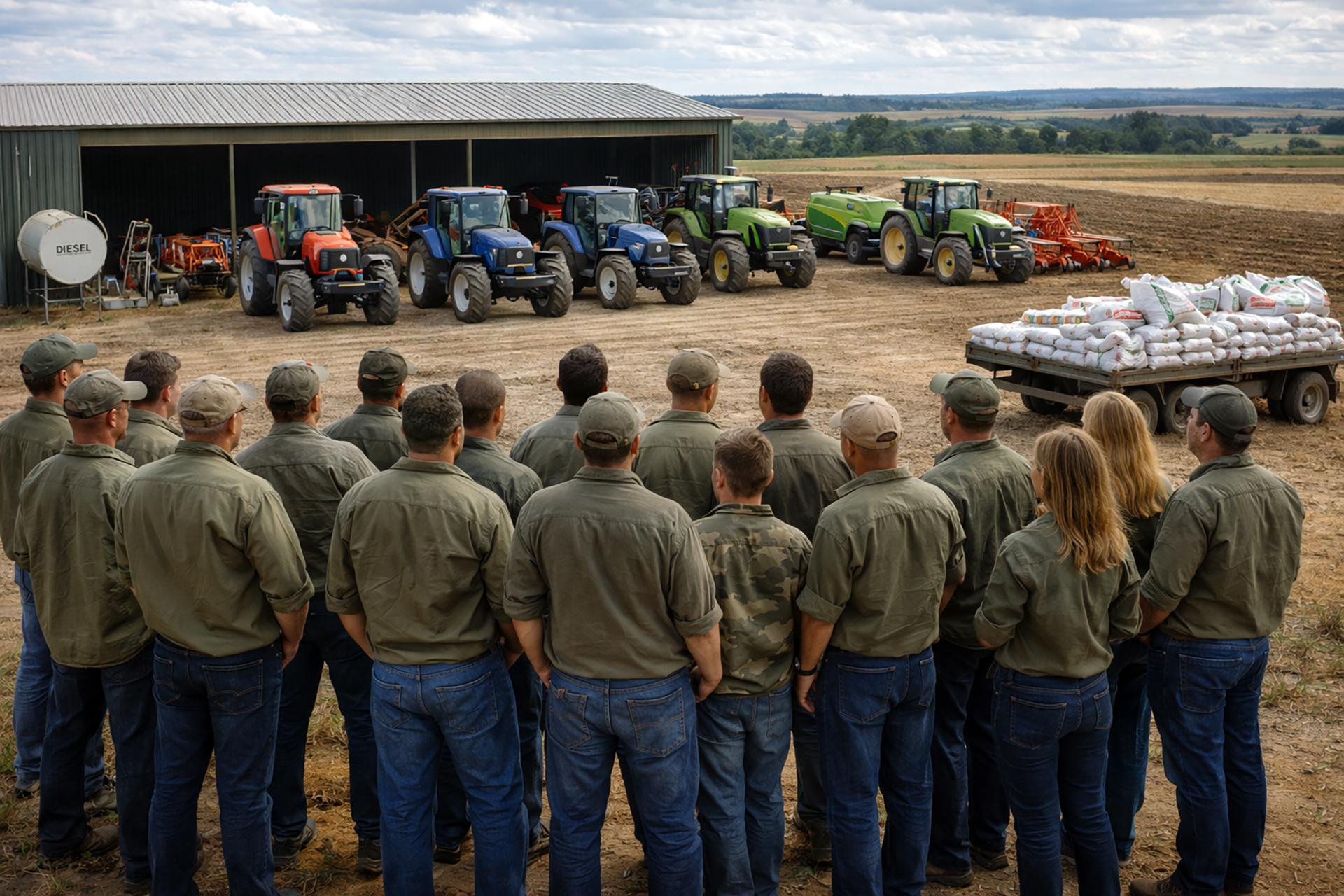
Each participating family represents one member household within a regional cooperative. This model allows families to operate their own farms independently while participating in a coordinated regional structure. It is not communal farming. It is not pooled personal income. It is not a collective ownership system.
Families remain responsible for their own agricultural operations. The cooperative exists to provide regional coordination, structured representation, and long-term stability.
The cooperative model allows for:
– Lawful registration within a Russian region
– Structured engagement with regional authorities
– Shared infrastructure development where appropriate
– Agricultural alignment with regional priorities
– Member-level voting within the cooperative
The intention is not short-term relocation. The intention is multi-generational agricultural settlement.
What This Is Not
This initiative is not a land sale programme. It is not a political movement. It is not a campaign. It is not a communal living experiment.
It is a structured agricultural settlement model designed to operate within Russian law and within the administrative systems of the participating regions.
Member Structure
Each family holds one membership seat within the cooperative. Cooperative decisions at regional level are made through defined governance processes. Russiakaners LLC maintains a structural role to ensure continuity, coordination, and compliance across regions.
This layered model allows for both independence and stability. Families operate their farms. The cooperative provides structure. Russiakaners provides coordination.
Long-Term Intent
The cooperative structure is designed for long term agricultural continuity. It prioritises stability over speed in the same way it prioritises structure over hype. Expansion into additional regions occurs only when governance, infrastructure, and administrative alignment are in place.
This is deliberate, phased development.
Russiakaners
A resource for farming families and cooperative agricultural settlement in Russia.
JOIN A NEW CONVERSATION
@Russiakaners Telegram Group
Quick Links
Information
© 2026 Общество с ограниченной ответственностью "АГЕНТСТВО ЮНИСТАРЗ". All rights reserved. E&OE Excepted.