

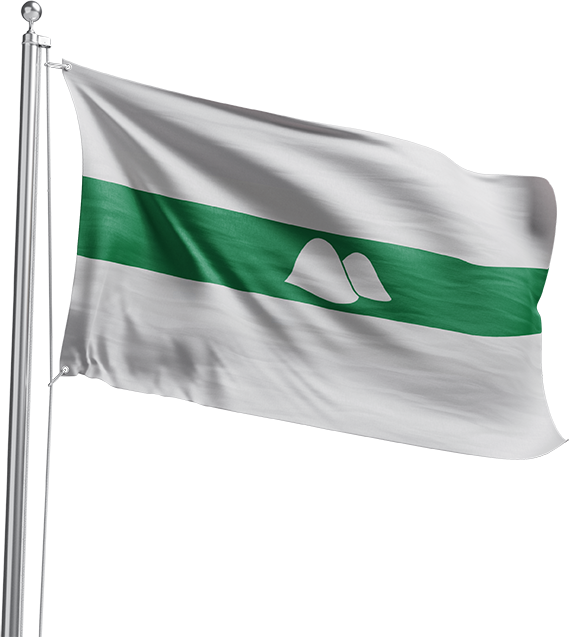
KURGAN OBLAST
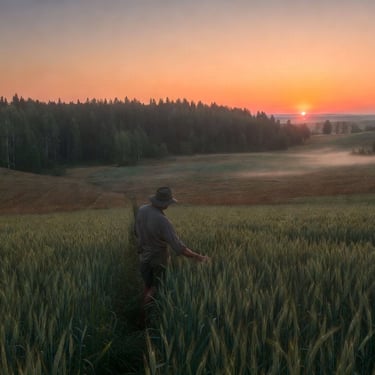
Kurgan Oblast sits in the southern Ural region of the Russian Federation, positioned strategically between European Russia and Western Siberia. It is a land defined by open plains, strong agricultural tradition, and a practical, production focused regional identity.
For farming families evaluating lawful integration into Russian regional frameworks, Kurgan represents stability, scale, and serious agricultural intent.
A Stable Agricultural Frontier in the Southern Urals
WHY KURGAN
1. Established Agricultural Identity
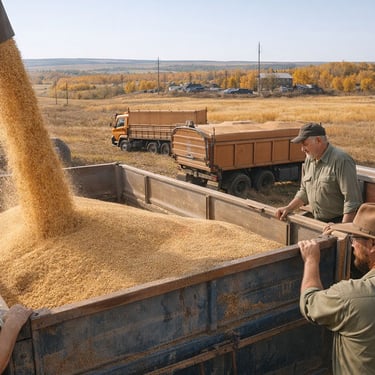
Kurgan is not experimental farmland. It is an established grain and livestock producing region with decades of structured agricultural output. Wheat, barley, oilseeds, and livestock production form the backbone of the regional economy.
3. Regional Development Alignment
The oblast has ongoing agricultural modernisation initiatives focused on:
Production expansion
Cooperative strengthening
Infrastructure upgrades
Attracting capable agricultural operators
This aligns directly with the Russiakaners cooperative integration model.
2. Large Scale Arable Land
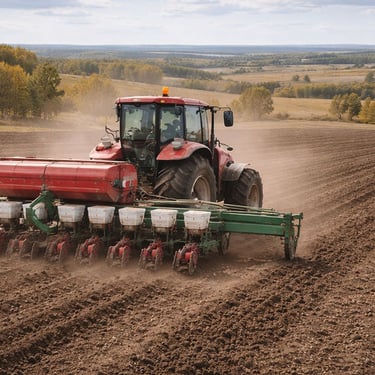
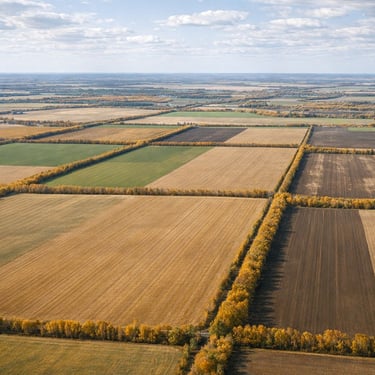
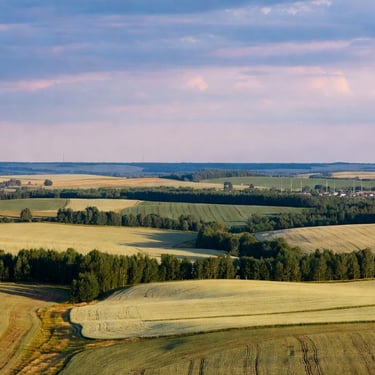
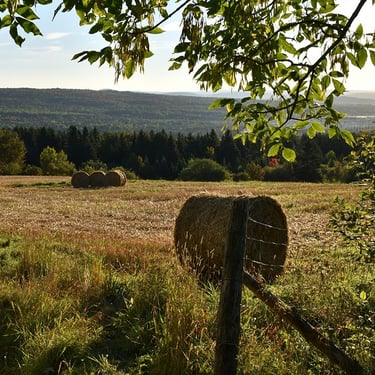
The landscape is dominated by expansive steppe farmland suitable for mechanised agriculture. For experienced commercial farmers, the scale and openness are familiar and workable.
4. Practical Climate for Farmers
Kurgan experiences a continental climate:
Cold winters
Warm summers
Defined planting and harvesting cycles
For serious farmers, predictability matters more than mildness. Kurgan offers clear seasonal structure suited to grain and livestock operations.
KURGAN MAP
GEOGRAPHIC POSITIONING
Kurgan is inland, secure, and non-border exposed. It is not a tourism driven economy. It is production driven.
Distance and positioning advantages:
Within reach of Moscow via rail and air
Connected to major agricultural logistics corridors
Situated between established industrial and agricultural zones
This makes it operationally practical without being urban dependent.
SETTLEMENT SUITABILITY
Kurgan is particularly suitable for:
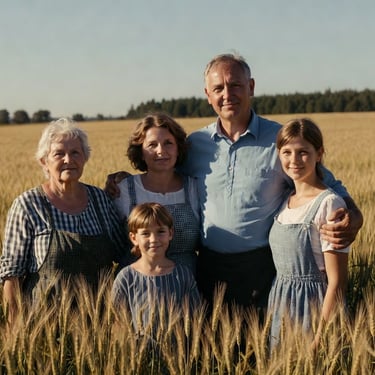
Multi generational farming families
Grain and mixed farming operations
Mechanised agricultural models
Households comfortable with structured rural life
It is not a metropolitan relocation zone. It is a serious agricultural region.
COMMUNITY AND CULTURAL ENVIRONMENT
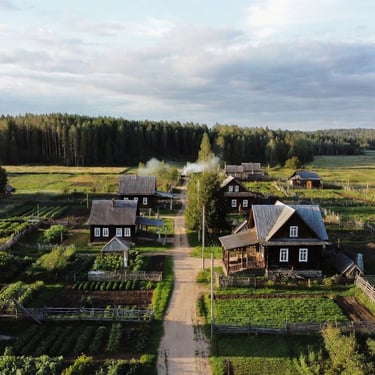
Kurgan’s population is largely traditional and rural in character. Community structure is practical and grounded. While Russian language integration is essential, the cultural tone is not metropolitan or cosmopolitan driven. It is family centred and regionally rooted.
For families prioritising:
Stability
Agricultural identity
Rural continuity
Long term land development
Kurgan offers a workable environment.
RUSSIAKANERS ALIGNMENT IN KURGAN
Within the Russiakaners framework, Kurgan represents:
Cooperative aligned agricultural integration
Regional engagement within lawful administrative pathways
Production first positioning
Long term land and household stability
Kurgan is not presented as an emotional escape. It is presented as a structured agricultural opportunity.
CLIMATE PROFILE
Climate Type
Humid continental with pronounced seasonal contrast.
Temperature
January average: −16°C to −18°C
July average: +19°C to +22°C
Extremes possible in winter below −30°C
Frost Free Period
Approximately 110 to 120 days
Main growing window: May through September
Precipitation
Annual average: 350 to 450 mm
Majority falls during late spring and summer
Agricultural Implications
Clear seasonal planting cycle
Strong suitability for spring grains
Winter crops possible but risk managed
Mechanised operations essential for narrow planting and harvesting windows
This is not a mild climate. It is predictable, structured, and suited to disciplined farming systems.
SOIL COMPOSITION
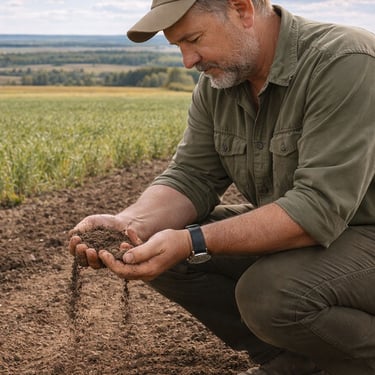
Kurgan sits within Russia’s forest steppe and steppe zones.
Dominant Soil Types
Chernozem in southern zones
Dark chestnut soils
Meadow steppe soils in river valleys
Soil Characteristics
High humus content in black soils
Good natural fertility
Moderate moisture retention
Requires crop rotation to maintain productivity
Operational Notes
Fertility levels support grain and oilseed production
Soil management strategies such as rotation, cover cropping, and controlled tillage are recommended
Drainage varies by district and must be evaluated regionally
For experienced grain farmers, soil structure will feel familiar to steppe and highveld style environments.
CROP PRODUCTION
Kurgan is primarily a grain and mixed farming region.
Grain Crops
Spring wheat
Barley
Oats
Rye
Spring wheat remains the dominant commercial crop.
Oilseeds
Sunflower
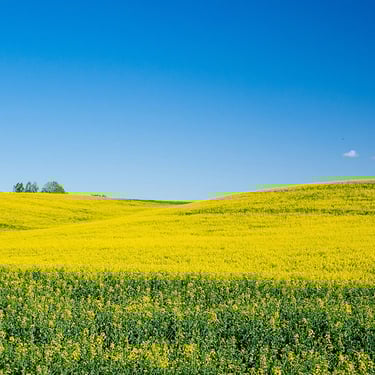
Rapeseed
Flax
Oilseed rotation plays a significant role in soil health and market diversification.
Legumes
Peas
Pulses for rotation support
Fodder Crops
Alfalfa
Silage maize in select zones
LIVESTOCK INTEGRATION
Cattle
Dairy herds
Sheep
Grain and fodder integration allows for combined crop livestock models, which strengthens long term farm sustainability.
YIELD OVERVIEW
(Regional averages) Yields fluctuate by district and rainfall pattern, but approximate ranges:
Spring wheat: 1.8 to 2.5 tonnes per hectare
Barley: 1.7 to 2.3 tonnes per hectare
Sunflower: 1.2 to 1.8 tonnes per hectare
Modernised operations with proper inputs and mechanisation may exceed these averages.
STRATEGIC AGRICULTURAL POSITIONING
KURGAN IS SUITED FOR
Mechanised grain operations
Medium to large scale arable farms
Crop livestock integration
Cooperative aligned production systems
Multi generational settlement with structured seasonal discipline
KURGAN IS NOT SUITED FOR
It is not suited to small hobby farming.
It is not a vineyard or boutique vegetable region.
It is a production steppe environment.
LONG TERM REGIONAL PROGRESSION
As farming operations mature and demonstrate compliance with regional production objectives, families may become eligible for additional agricultural support initiatives offered at municipal, regional, or federal level.
These initiatives can include infrastructure support, cooperative participation structures, or expanded land development pathways. Eligibility is performance based and structured within Russian legal frameworks.
REGIONAL DEVELOPMENT FRAMEWORKS
Kurgan Oblast operates within established federal and regional agricultural development policies designed to strengthen food production capacity, rural population stability, and cooperative agricultural output.
The region participates in structured agricultural programmes aligned with national food security priorities. These frameworks are not promotional campaigns. They are production-based systems designed to support capable operators who contribute measurably to regional agricultural objectives.
Key characteristics of these frameworks include:
• Alignment with federal agricultural law
• Regionally administered development programmes
• Cooperative and production integration models
• Infrastructure modernisation initiatives
• Long-term rural settlement support mechanisms
Participation is structured, regulated, and performance oriented. Entry into any programme requires compliance with Russian legal requirements and regional administrative processes.
Russiakaners provides informational visibility into these frameworks. Final eligibility and approval remain solely within regional authority.
LAND ACCESS STRUCTURES
Land access in Kurgan is not speculative or informal. It operates within defined legal structures under Russian agricultural land legislation.
For qualified farming households, land access mechanisms may include:
• Long-term agricultural lease agreements
• Development-based allocation structures
• Cooperative-linked land use models
• Conditional expansion based on operational capacity
In certain structured regional initiatives, families may access substantial agricultural parcels designed for real production scale. Specific land size, tenure structure, and development obligations are determined by regional authorities and are subject to compliance, capability verification, and legal approval.
Land allocation is not automatic.
It is capability based and structured around agricultural output objectives.
Prospective families should understand:
• Agricultural land carries production expectations
• Development timelines may apply
• Compliance monitoring exists
• Legal due diligence is mandatory
Kurgan is designed for farmers, not passive land holders.
PERFORMANCE GROWTH
Performance based growth pathways - Agricultural integration in Kurgan is not static. It is progressive.
Families who demonstrate:
• Operational competence
• Production consistency
• Regulatory compliance
• Cooperative participation
• Long-term settlement intent
may become eligible for expanded participation in additional regional or federal support mechanisms over time.
These may include:
• Expanded land development opportunities
• Infrastructure support pathways
• Cooperative growth integration
• Access to regional agricultural incentive frameworks
Eligibility is not entitlement based.
It is performance based.
This structure protects both the region and participating families by ensuring sustainable, production-focused growth rather than speculative relocation.
Russiakaners
A resource for farming families and cooperative agricultural settlement in Russia.
JOIN A NEW CONVERSATION
@Russiakaners Telegram Group
Quick Links
Information
© 2026 Общество с ограниченной ответственностью "АГЕНТСТВО ЮНИСТАРЗ". All rights reserved. E&OE Excepted.